Aetheria

Why Your Skin Changes in Spring (and How to Care for It)
If you’ve ever felt that your skin “behaves differently” when March or April arrives, it’s not your imagination.
The transition from winter to spring causes real changes in the skin.
The increase in daylight hours, temperature fluctuations, and changes in environmental humidity all influence how our sebaceous glands function and how the skin renews itself.
That’s why many people experience during this time:
• More shine on the skin
• Small breakouts appearing
• Skin that feels more reactive
• Dull skin after winter
The good news is that you don’t need to change everything. You simply need to adapt your routine to your skin’s new rhythm.
What happens to your skin when spring arrives
During winter, skin often becomes drier and more sensitive due to cold weather, wind, and indoor heating. In spring, the body begins adapting to a warmer and brighter environment.
This leads to several changes:
More sebum production
Rising temperatures stimulate the sebaceous glands. This can lead to increased shine or small breakouts, even in people who don’t usually experience acne.
More active cell renewal
With more sunlight, the skin’s metabolism becomes slightly more active. The skin begins to renew itself faster than it does in winter.
Changes in hydration
Environmental humidity usually increases in spring, which means some skin types may no longer need the heavier products used during winter.
Signs your routine may need adjusting
There are small signs that may indicate your skin is entering “spring mode”:
• Your winter cream starts to feel too heavy
• Small breakouts appear in areas where you don’t usually get them
• Your skin looks dull or uneven
• Your skin feels oilier throughout the day
This doesn’t mean your skin is getting worse.
It simply means it is adapting to a new season.
How to adapt your skincare routine in spring
You don’t need to change your entire routine. Often, small adjustments are enough.
1. Gentle but regular cleansing
In spring, cleansing becomes especially important to remove excess sebum and environmental particles.
A gentle cleanser, free from harsh sulfates, helps maintain the skin’s balance without stripping it.
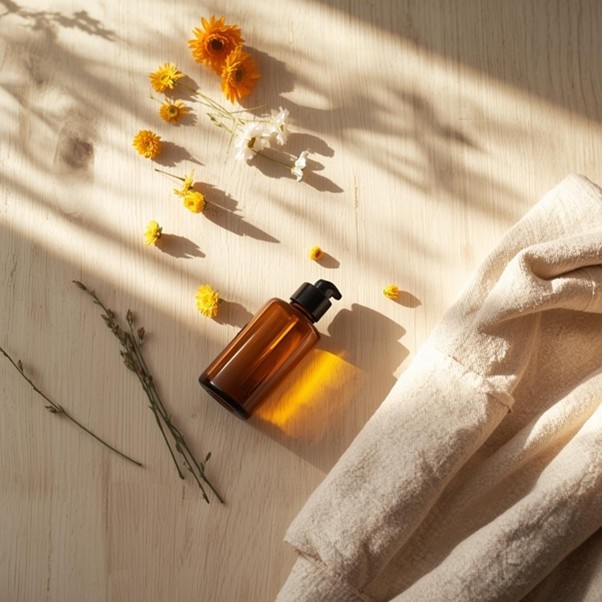
2. Introduce soothing ingredients
After winter, many skin types remain sensitive. Botanical ingredients such as:
• calendula
• aloe vera
• chamomile
• lavanda
can help calm the skin and reduce reactivity.
3. Choose lighter plant oils
If you use facial oils, lighter oils often work better in spring, such as:
• jojoba
• grape seed
• rosehip
They nourish the skin without leaving a heavy feeling.
4. Start paying more attention to sun exposure
Even if the sun isn’t as strong as in summer yet, exposure increases.
Protecting the skin and supporting it with antioxidants can help prevent dark spots and premature aging.
Listening to your skin in every season
Skin is not static. It changes with the weather, hormones, stress, and the passage of time.
Spring is a great opportunity to simplify your routine and return to the essentials: gentle cleansing, balanced hydration, and natural active ingredients that support your skin’s rhythm.
At Aetheria, we believe that skincare isn’t about adding more products, but about understanding what your skin needs in each moment..