
Aetheria

Greenwashing in Cosmetics: 3 Keys to Know if a Product Is Truly Natural
What is greenwashing?
It’s when a product claims to be natural but really isn’t. You’ve probably seen it: a green label, words like “bio,” “natural,” “eco”… but when you read the ingredients list, something doesn’t add up.
The Real Problem Behind Greenwashing
Big brands take advantage of the natural trend to keep selling the same formulas—just disguised.
Misleading claims (e.g., “with natural ingredients” when it only contains 0.1%).
It damages consumer trust and undermines small brands that are truly honest.
3 Keys to Spot an Honest Product
Tip 1: Read the INCI (ingredients list)
• If the first ingredients are water + petroleum derivatives + harsh alcohols, be cautious..
• Look for recognizable names: plant oils, butters, botanical extracts.
Tip 2: Pay attention to certifications… and to what’s missing
• Some seals like COSMOS or Ecocert are reliable. But not having a seal doesn’t mean a product is bad (small brands like Aetheria, for example).
• If there’s no clear information on ingredient origin or % of natural content… there’s probably something to hide.

Tip 3: Look at the packaging and the message
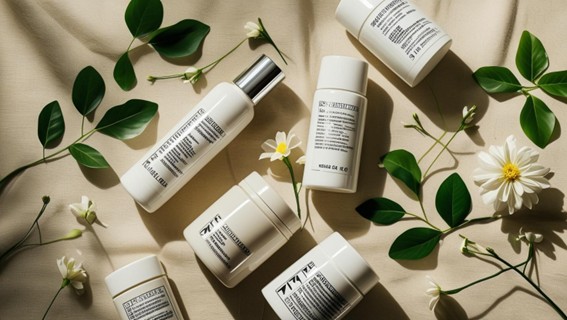
• Greenwashing often hides in the design: kraft paper, green colors, little leaves… but inside: plastic, chemical formulas.
• Ask yourself: Does the brand explain its philosophy? Does it connect with your way of caring? Does it show its process honestly?
Your Power as a Conscious Consumer
Choosing wisely is a way of caring—not just for yourself, but for the planet too. Are you ready to look beyond the marketing?